Alzheimers-questioned
Simplified breakdown of the article "The Great Alzheimer's Scam and The Proven Cures They've Buried for Billions":
Joel Inocencio
5/16/20267 min read
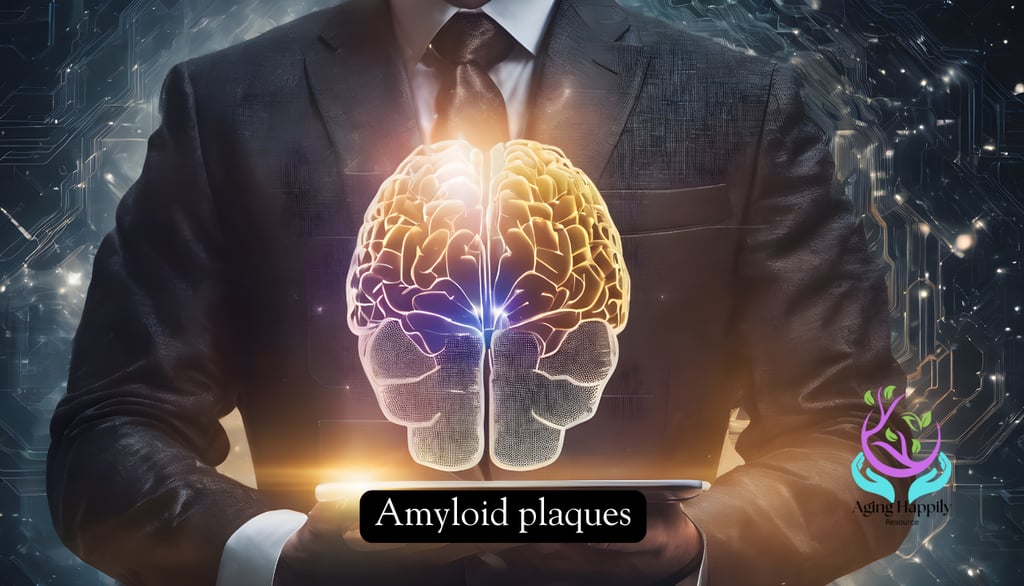
Let’s break down a 2025 article on Alzheimer’s Disease and amyloid, and see what it really means for you.
This article just dropped some big news in its fourth round of results, spotlighting the Sylvain Lesné case.
I’m about to dive deep and pull out the simple truth, so you can actually use this information in your life.
Here’s what I’m bringing you: the real story behind the amyloid hypothesis, the scandal that rocked the field, why some drugs just don’t work, and what other options are out there.
Let’s cut through the noise. Here’s what you need to know from "The Great Alzheimer's Scam and The Proven Cures They've Buried for Billions."
The Main Argument
For decades, Alzheimer’s research has been running in circles—chasing the wrong enemy, burning through billions, and leaving families desperate for answers. The article exposes how the leading theory was built on shaky ground, maybe even fraud. The drugs? Mostly useless. Sometimes dangerous. And while the world waits, real solutions—safer, cheaper, rooted in the true causes—get buried, ignored, or flat-out suppressed.
The "Scam" Explained (The Amyloid Hypothesis)
The article focuses on the "amyloid hypothesis," which suggests Alzheimer’s is caused by sticky plaques (called amyloid) building up in the brain.https://www.midwesterndoctor.com/p/the-great-alzheimers-scam-and-the.
The Fraud: A landmark 2006 study that bolstered this theory may or may not have relied on doctored images, and a recent probe uncovered that several papers by a leading scientist featured altered visuals. That argument is beyond the scope of our discussion of the “Amyloid Theory”. Let us leave that to them to argue.
Here’s the real scam: while the experts bickered, this shaky theory hogged the spotlight, pushing aside real solutions. But we’re not here to get lost in their debates—we’re here to find what actually works.
The "Buried Cures" (Alternative Treatments)
If the amyloid theory doesn’t hold water, then it’s time to look deeper—at what’s really going on inside your brain.
The real enemy? Poor blood flow and damaged brain cells. That’s where the fight begins.
But here’s the punchline: cheap, practical fixes for these root problems keep getting swept under the rug.
Why? Because nobody’s buying a yacht off broccoli and brisk walks. The system wants profits, not actual cures.
You might wonder: Don’t those amyloid plaques actually cause poor blood flow in the brain?
Amyloid plaques can contribute to reduced blood flow, and reduced blood flow can also promote amyloid accumulation.
That’s a sharp question, and I’m glad you asked.
Here’s the deal: Amyloid plaques and blood flow have a messy relationship. Plaques can gum up your blood vessels, but sometimes it’s lousy circulation that rolls out the red carpet for plaques to move in.
Let’s break it down, plain and simple:
🩸 A Vicious Cycle: Alzheimer's is linked to a self-reinforcing "vicious cycle". Vascular issues (such as blood-brain barrier damage or reduced blood flow) impair the brain's ability to clear amyloid-β, leading to its accumulation. This buildup deposits on blood vessel walls (Cerebral Amyloid Angiopathy), making them rigid (forming a "vascular exoskeleton"), narrowing them and further restricting blood flow, which accelerates decline.
🩺 The Key Distinction: The traditional "amyloid hypothesis" says plaques directly cause cognitive decline, but the "two-hit vascular hypothesis" describes vascular damage as the first "hit" long before plaques appear, making vascular dysfunction the primary pathology that indirectly leads to plaque buildup.
These two mechanisms are not mutually exclusive; many researchers now see them as working together.
Some of us may ask further:
Is neuro-inflammation more to blame as the cause of poor blood flow to the brain? And that neuroinflammation is usually caused by lifestyle (high sugar intake), alcoholism, drug abuse, toxic substance exposure, or diet intake?
Yes, absolutely right. The current scientific understanding is that neuroinflammation isn't just a bystander—it's a powerful driver that disrupts the brain’s blood flow (CBF), often more directly than the amyloid plaques themselves.
Plenty of experts agree: this kind of brain inflammation is often kicked off—or made worse—by everyday habits like junk food and toxic exposures. Yes, your late-night snack choices really do matter.
Here’s a deeper look at how these pieces fit together:
🧠 How Neuroinflammation "Clogs the Pipes."
Neuroinflammation doesn’t just plug up your blood vessels like a wine cork. Instead, it makes it hard for blood to get through at all. It messes with the blood-brain barrier, throws off the cells around your vessels, tightens up the vessel walls, and even jams capillaries with red blood cells. Not exactly a recipe for a healthy brain.
🔄 The Vicious Cycle (Chicken or Egg)
This sets off a nasty feedback loop. Inflammation throws the brain’s blood flow system out of whack, and since good circulation is what clears out brain junk like amyloid, poor flow just lets the garbage pile up—fueling even more inflammation. It’s a vicious cycle, and your brain pays the price.
🍔 Lifestyle: The Spark That Fuels the Fire
Chronic lifestyle habits directly trigger the pathways we just described:
High Sugar Intake: Creates oxidative stress and inflammation in the brain's microvessels; high quantities of added sugar have been linked to structural damage in arteries and the BBB.
Chronic Alcohol Use: Disrupts the BBB and triggers functional disruptions in the brain; accelerates biological aging that manifests as cognitive pathologies.
Drug Abuse (e.g., Meth): Causes toxic effects directly linked to neuroinflammation, oxidative stress, and damage in the cerebrovascular system.
Unhealthy Diets: High-salt diets cause reduced CBF and impaired cognition; high-fat diets during mid-life are a major risk factor.
Toxins: Inhalants or pollutants like Diesel Exhaust cause oxidative stress and myelin breakdown in the brain, and even plastic particles have been linked to cognitive deficits and damage to cerebrovascular health.
So, does this mean Alzheimer’s is preventable—and if we actually teach people how to prevent it, will cases drop in the future?
Now that we know what’s really causing the trouble, research should be laser-focused on prevention and how to turn things around, right?
That’s mostly true, but let’s sprinkle in a few important details to keep things honest.
✅ What was already proven (The Strong Evidence)
Prevention is absolutely possible. Large-scale studies (such as the FINGER trial) show that addressing lifestyle factors—diet, exercise, cognitive training, and vascular health—can reduce Alzheimer's risk by 30–50%. Teaching these measures proactively would almost certainly lead to a decline in future cases.
The causative factors you listed are valid. Neuroinflammation, poor blood flow, insulin resistance (from high sugar), alcohol, toxins, and diet are all modifiable risk factors. Targeting them makes perfect sense for both prevention and potential reversal.
Reversal research should prioritize these root causes. The failure of amyloid-targeting drugs has shifted research toward neuroinflammation, vascular repair, metabolic health, and lifestyle interventions. Early human trials using multimodal lifestyle changes have shown cognitive improvement, not just slowing decline.
⚠️ The Important Caveats (Why It's Not Quite That Simple)
"Preventable" vs. "Risk-Reducible"
Alzheimer's is not like scurvy (100% preventable with vitamin C). Genetics plays a role—carrying the APOE4 gene variant significantly raises risk, and some early-onset familial Alzheimer's is nearly unavoidable regardless of lifestyle. So a more accurate phrase is "largely preventable in many cases" or "risk can be dramatically reduced."Reversal is far harder than prevention.
Once your brain cells have packed up and left, fixing inflammation or blood flow won’t magically bring them back. It’s like quitting smoking after your lungs are already shot—good move, but don’t expect miracles. The earlier you act, the better your odds.We’re still waiting for the slam-dunk studies that prove we can actually reverse Alzheimer’s.
While promising case studies exist (e.g., Dr. Dale Bredesen's protocol showing cognitive improvements in some patients), large-scale, placebo-controlled trials proving reversal are still ongoing. The scientific consensus is that reversal is possible in early stages (mild cognitive impairment) but unproven for moderate-to-severe Alzheimer's.
So yes, the big picture is right—but let’s not get carried away. ‘Preventable’ really means ‘mostly preventable for most folks,’ and reversal is only on the table if you catch it early.
Structured lifestyle interventions have been shown to improve cognitive function and delay age-related decline. Based on the landmark U.S. POINTER study and the 2025 Alzheimer's Association guidelines, the key pillars are:
🥗 Optimize Nutrition: Eat the "MIND" diet (a combination of Mediterranean and DASH). Focus on dark leafy greens, berries, nuts, whole grains, olive oil, and fish.
🏃 Maintain Physical Exercise: Get 150+ minutes per week (e.g., 4 sessions of 30–35 minutes) of moderate-to-vigorous aerobic activity, plus strength and flexibility training on 2 days.
🧠 Engage in Cognitive Training: At least 3 sessions of 30 minutes/week of actively challenging your brain, like the digital games on the blue-linked text you or your loved ones can access right away: Aging Happily Resource Brain Games.
🩺 Monitor Overall Health: Manage blood pressure, blood sugar, and cholesterol to protect the small blood vessels in your brain, as cardiovascular health is directly linked to cognitive decline.
That’s why, here at Aging Happily Resource, we’re all about practical lifestyle changes. We want you to eat in a way that helps your cells bounce back, and do brain exercises that don’t cost a dime.
To make it even easier, we’ve rolled out those simple brain games anyone can play—no wallet required, no strings attached.
No sign-ups, no downloads, no email spam. Just hop online and head to our game portal. Linked here> Aging Happily Resource Brain Games.
And if you want to dig deeper (or just help us keep the lights on), check out our book ‘Understanding Dementia’ on Amazon. No pressure—totally up to you. Link here: Amazon: "Understanding Dementia."
This is Joel Inocencio, BSN, RN. Thirty years in the trenches of healthcare. He’s battled ER chaos, cracked tough diagnoses, cared for kids, tackled psych, and brought healing into homes. Joel’s not just experienced—he’s relentless. He’s here to make preventive health care simple, practical, and within your reach. Because you deserve to own your health. You deserve to protect it—no medical degree required.
Contact
Questions or thoughts?
admin@aginghappilyresource.com
© 2025.
Aging Happily Resource.
All rights reserved.