“When Dementia Turns Love Into Exhaustion: The Real Reason Caregivers Feel Unseen — And It’s Not What You Think.”
A raw, honest look at why family caregivers often feel unappreciated, overwhelmed, and emotionally drained — not because they’re failing, but because dementia creates two separate realities that collide daily. This article explores the heartbreaking disconnect between caregivers’ intentions and their loved ones’ behaviors, revealing the real reason resentment, guilt, and exhaustion build up. It offers clarity, compassion, and a new way to understand what’s really happening behind the frustration.
FAMILY CAREGIVERS
Joel Inocencio
2/16/20265 min read
🌨️ When Love Collides With Dementia: Why Caregivers Feel Unseen, Unheard, and Unappreciated
And why it’s not your fault — or theirs.
Every day, family caregivers walk into a battlefield no one prepared them for. Not a battlefield of violence, but of conflicting realities. Two people who love each other deeply… yet live in completely different worlds.
On one side is the person with dementia — confused, frightened, impulsive, unaware of their own needs, and often unaware of the toll they place on the person caring for them.
On the other side is the caregiver — exhausted, overstretched, trying desperately to do the right thing, hoping for even a tiny moment of appreciation or recognition… and instead receiving complaints, demands, or anger.
This disconnect is not a failure of love. It’s a failure of understanding, expectation, and approach — and caregivers are paying the price with their health, their marriages, their sleep, and their sanity.
Let’s talk about it honestly.
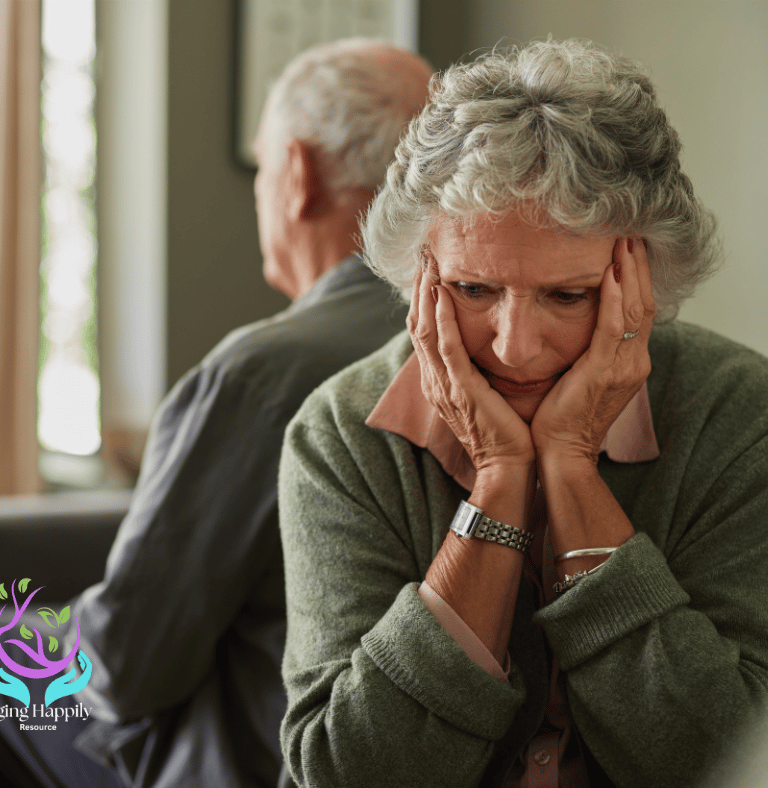
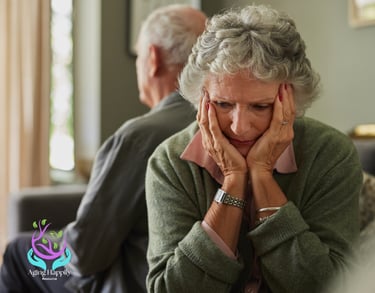
🍲 Scenario 1: “I cooked five soups, deviled eggs, potato salad… and he still said ‘Don’t like any of that.’”
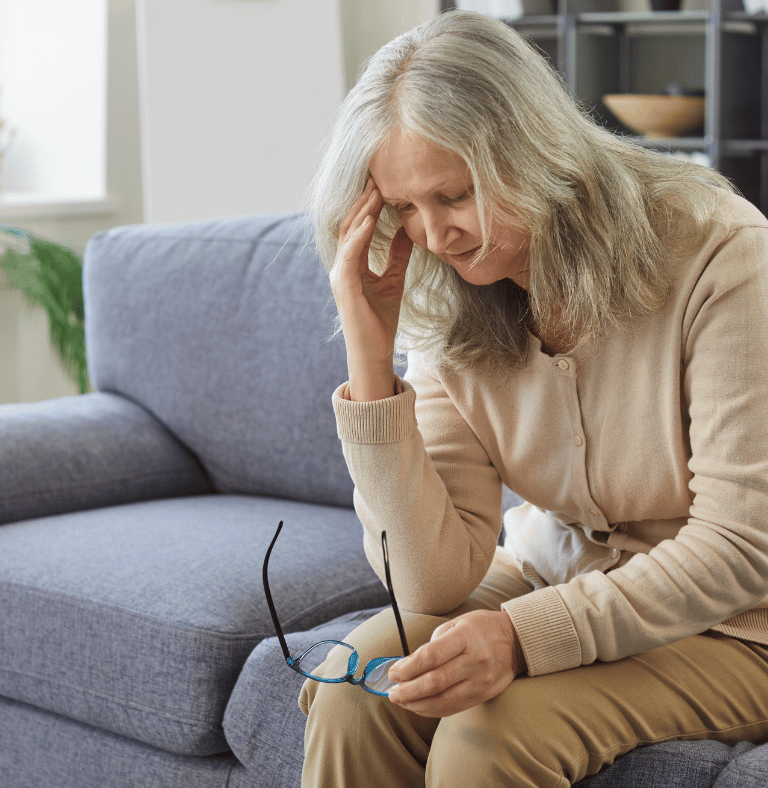
And what did she get in return?
A complaint.
A demand.
A dismissal of her effort.
A complete lack of awareness of the work she put in.
To her, it feels like disrespect. To him, it’s not disrespect — it’s dementia.
Two realities. Zero overlap. Maximum pain.
And the resentment she feels? It’s normal. It’s human. It’s valid.
Resentment is not a sign that she doesn’t love her father. It’s a sign that she is carrying more than any one person should carry.
This family caregiver did what millions do every day:
Cooked multiple meals
Anticipated needs
Tried to create comfort
Tried to prevent future stress
Tried to be proactive and responsible
He is not remembering what he ate.
He is not remembering what he likes.
He is not remembering the labor that went into the food.
He is not remembering the emotional cost of his demands.
He is living in a loop of unmet needs he cannot name.
She is living in a loop of unappreciated effort she cannot escape.
🚨 Scenario 2: “I’m in the ER because the doctor said it’s time. I can’t do this anymore.”
This caregiver is facing a different kind of heartbreak — the heartbreak of letting go.
Her mother wanders. Her mother is non‑verbal. Her mother is aggressive. Her mother needs 24/7 supervision.
And she is working full‑time from home, trying to keep her life intact while her mother’s world falls apart.
This is not a failure. This is not abandonment. This is not selfishness.
This is safety. This is reality. This is love in its hardest form.


When a caregiver reaches the point where the ER becomes the only path to placement, it means they have been carrying the weight of two lives for far too long.
And the guilt she no longer feels? That is the moment she finally realized:
“I cannot sacrifice my entire life to keep pretending I can do this alone.”
That realization is not weakness. It is wisdom.
Here’s the truth no one says out loud:
Dementia creates a person who cannot meet you halfway. Not emotionally. Not logically. Not behaviorally. Not relationally.
And caregivers keep trying to meet them halfway anyway.
You expect:
Appreciation
Cooperation
Memory
Reciprocity
Basic courtesy
Recognition of your effort
But dementia removes the very parts of the brain that make those things possible.
So what happens?
You give everything. They give nothing back. And both of you suffer.
This is not a moral failure. This is a neurological one.
🧠 The Real Problem: Two People, Two Realities, One Broken Bridge
💥 The Disconnect That Breaks Caregivers
Caregivers often think:
“I’m doing my best — why can’t they see that?”
People with dementia often think:
“I feel unsafe — why won’t someone fix it?”
Caregivers want peace.
People with dementia want control.
Caregivers want rest.
People with dementia want reassurance.
Caregivers want appreciation.
People with dementia want predictability.
These needs collide every day.
And the caregiver is the one who breaks.
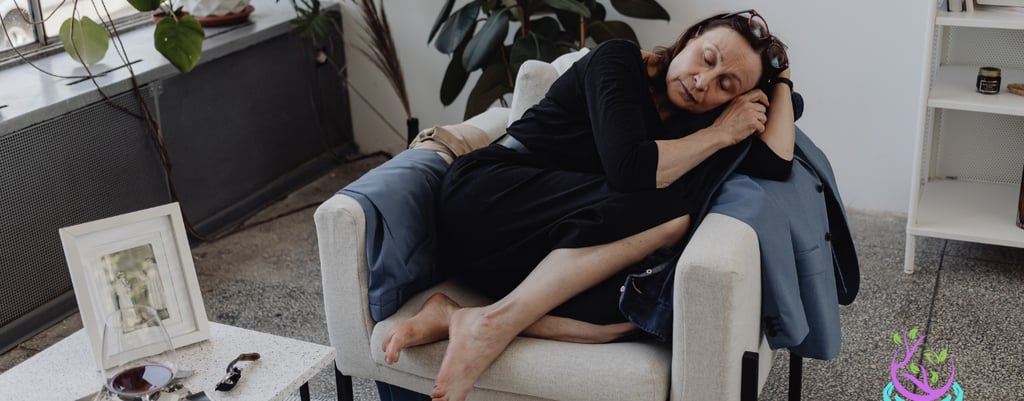

Most caregivers try to use:
Logic
Reason
Explanation
Memory
Past preferences
Past personality
Past relationship dynamics
But dementia doesn’t respond to any of those.
If you ever wonder why there is such a disconnect.
You’re speaking English. Their brain is speaking static.
🌱 The Wrong Approach (And Why It’s Not Your Fault)
Health care systems around the world face a wide range of challenges that fail to provide a system that protects or supports the family caregivers who are the backbone of the geriatric population.
🌟 The Right Approach: Shift From Expectation to Understanding
The only way forward is to stop expecting the person with dementia to behave like the person they used to be.
Not because you don’t love them. But because your survival depends on it.
The shift looks like this:
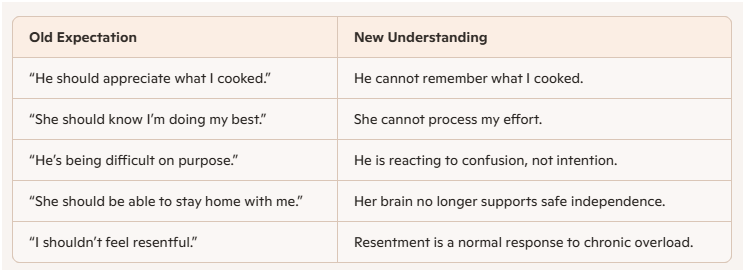
This shift doesn’t erase the pain. But it stops you from blaming yourself — or them.
❤️ Caregivers Deserve More Than Survival
If you are reading this and seeing yourself in these stories, hear this clearly:
You are not failing. You are not weak. You are not selfish. You are not ungrateful. You are not a bad daughter or son.
You are a human being carrying a superhuman load.
And the world has not given you the tools, the training, or the support you deserve.


That’s why here at Aging happily, we started a movement to support caregivers.
To give caregivers:
A voice
A community
A blueprint
A path to emotional and financial stability
A way to reclaim their identity
A way to stop drowning in guilt and start living again
You are not alone. You are not invisible. You are not crazy for feeling the way you feel.
You are a caregiver. And caregivers deserve better.
Join Our Facebook Community for Regular Discussions:

Contact
Questions or thoughts?
admin@aginghappilyresource.com
© 2025.
Aging Happily Resource.
All rights reserved.